
Symbiotic Engineering and Analysis Lab
We develop interdisciplinary symbiotic solutions to advance sustainable offshore technologies vital to the growth of the ocean-based economy and the mitigation of climate change.
The SEA Lab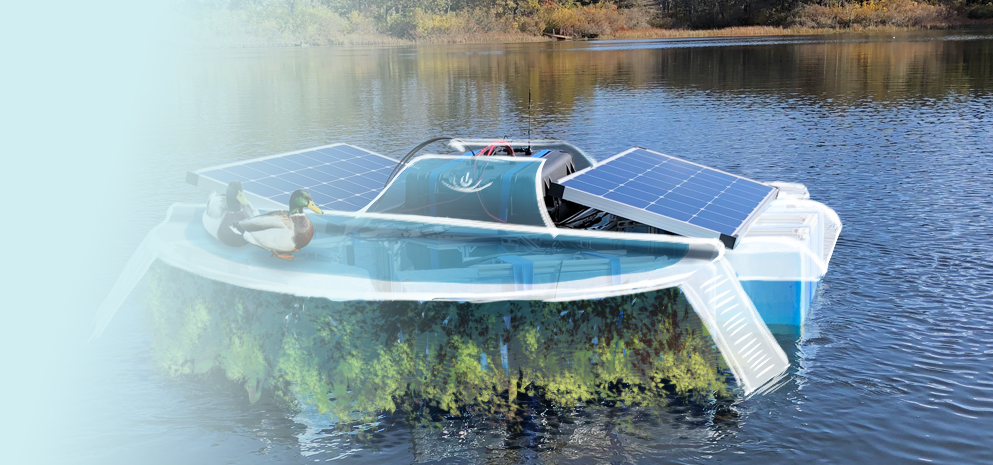
The SEA Lab designs the future of offshore technologies.
The SEA Lab designs sustainable ocean systems to support global water, energy, and food needs, advancing passive mineral harvesting for clean energy, ocean-based energy generation and storage, and cost-efficient, resilient offshore aquaculture.
The SEA Lab is led by Professor Maha Haji in the Department of Mechanical Engineering at the University of Michigan.

Our Research
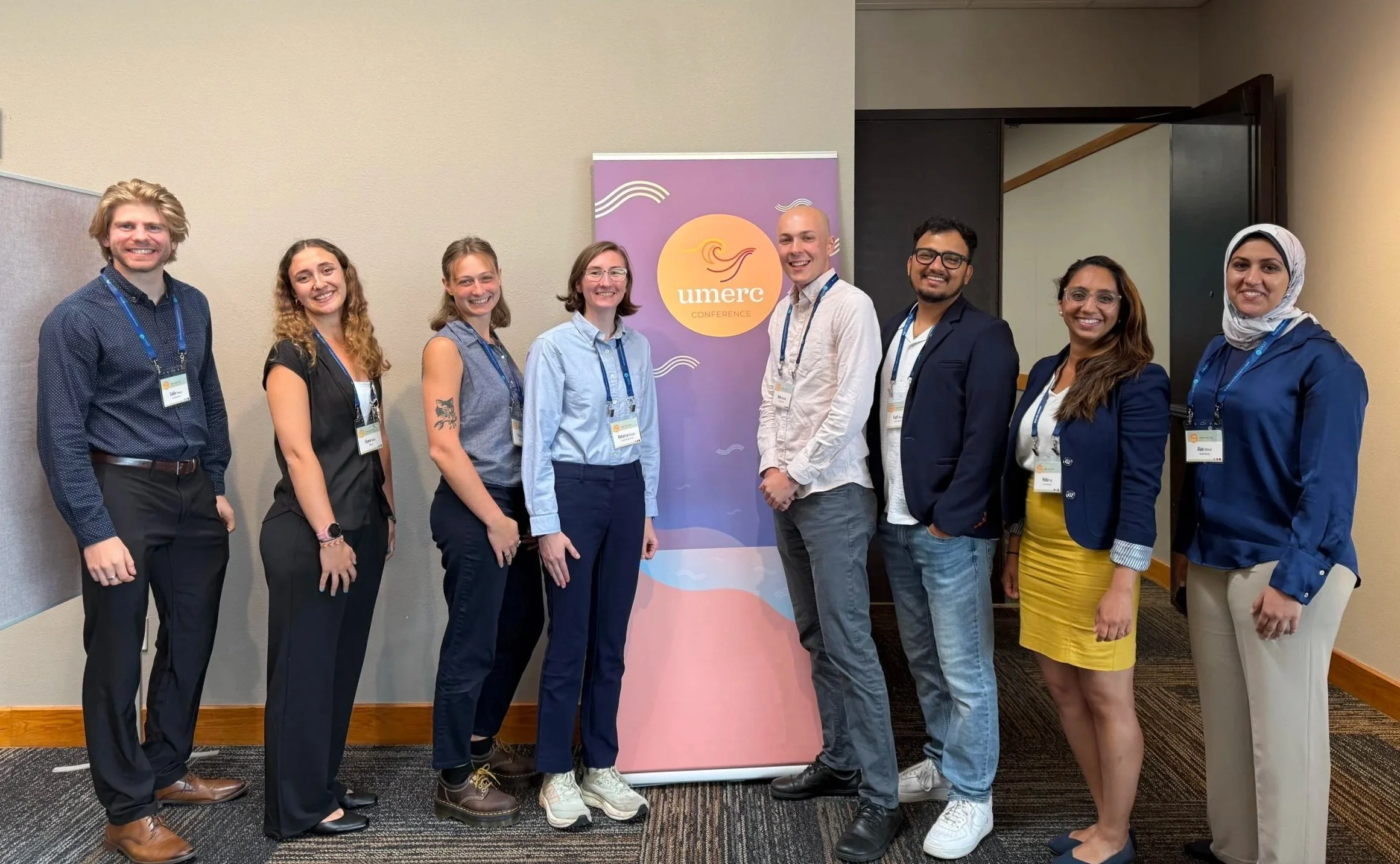
Our Team

Our Publications
The SEA Lab specializes in four main research areas:
Research
Systems Engineering
Integrating systems to better provide mutually beneficial relationships with the ocean.
Mineral Extraction
Harvesting tech-essential minerals from seawater, including uranium, cobalt, and lithium.
Offshore Energy
Harnessing and storing the energy at sea to meet the energy needs of tomorrow.
Aquaculture
Reliably and cost-effectively expanding aquaculture farms further offshore.
Latest News from the SEA Lab:
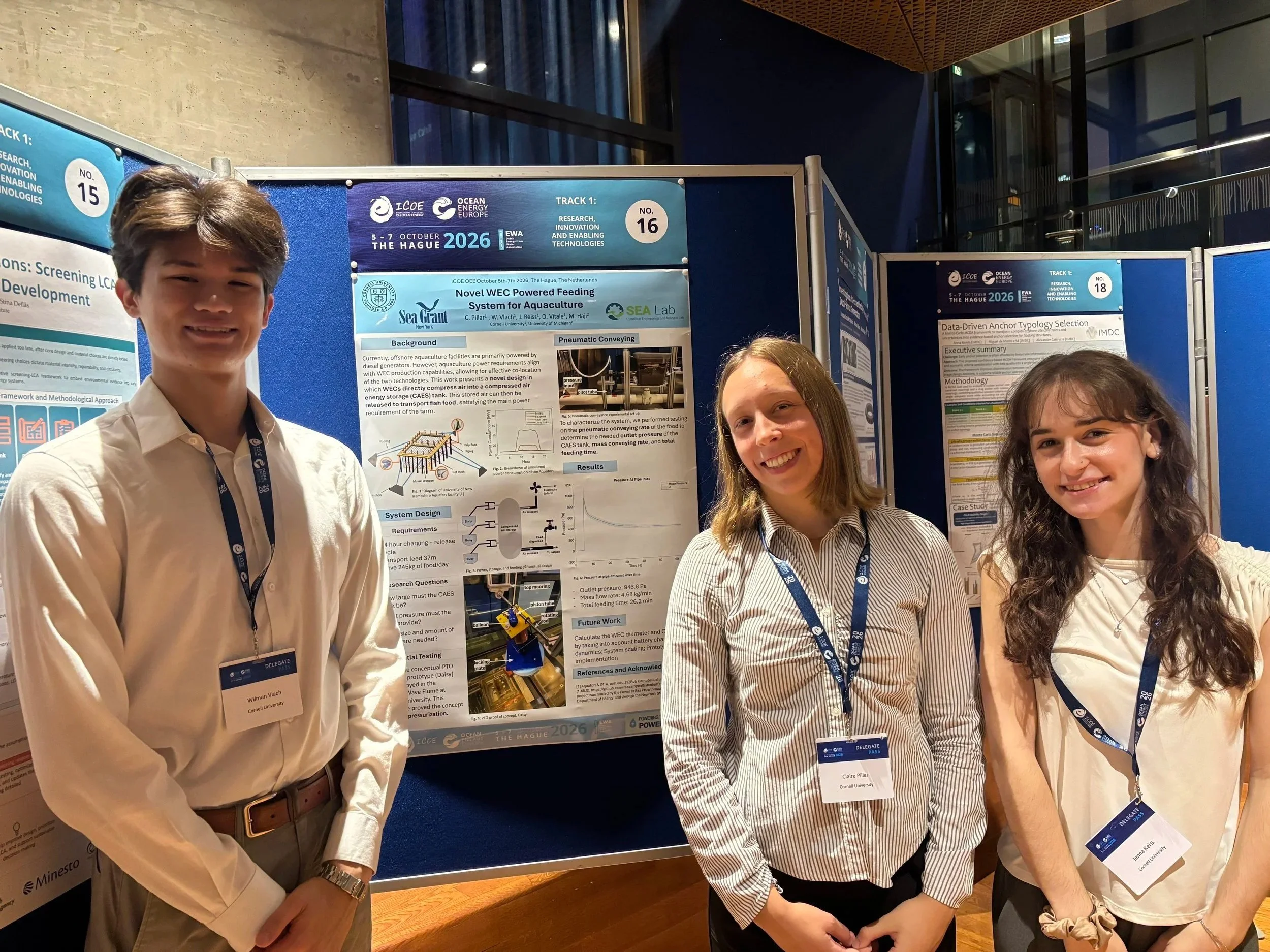
SEA Lab Presents at ICOE-OEE 2026
Undergraduates Claire Pillar, Wilman Vlach, and Jenna Reiss presented their work "Novel Wave-powered Compressed Air Feeding System for Offshore Aquaculture" at the International Conference of Ocean Energy (ICOE-OEE) in The Hague, The Netherlands! This was a huge opportunity for them to present their work on a global scale. Great work!
October 6th, 2026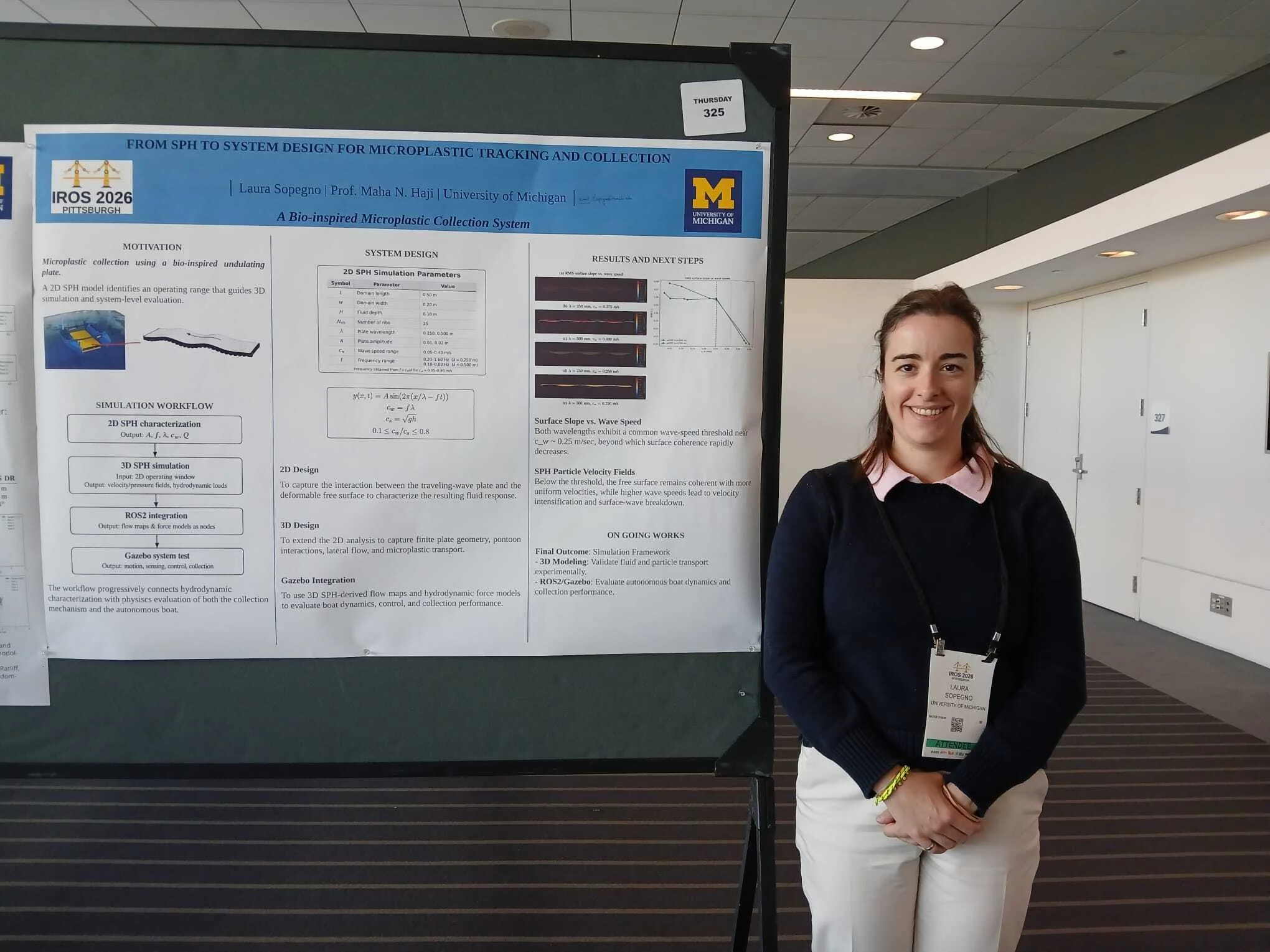
SEA Lab Presents at IROS 2026
Congratulations to Dr. Laura Sopegno on presenting her research at the IEEE/RSJ International Conference on Intelligent Robots and Systems (IROS) in Pittsburgh, Pennsylvania, from September 26 to October 1! She shared her work, “From SPH to System Design for Microplastic Tracking and Collection.” Well done on this accomplishment!
September 26th, 2026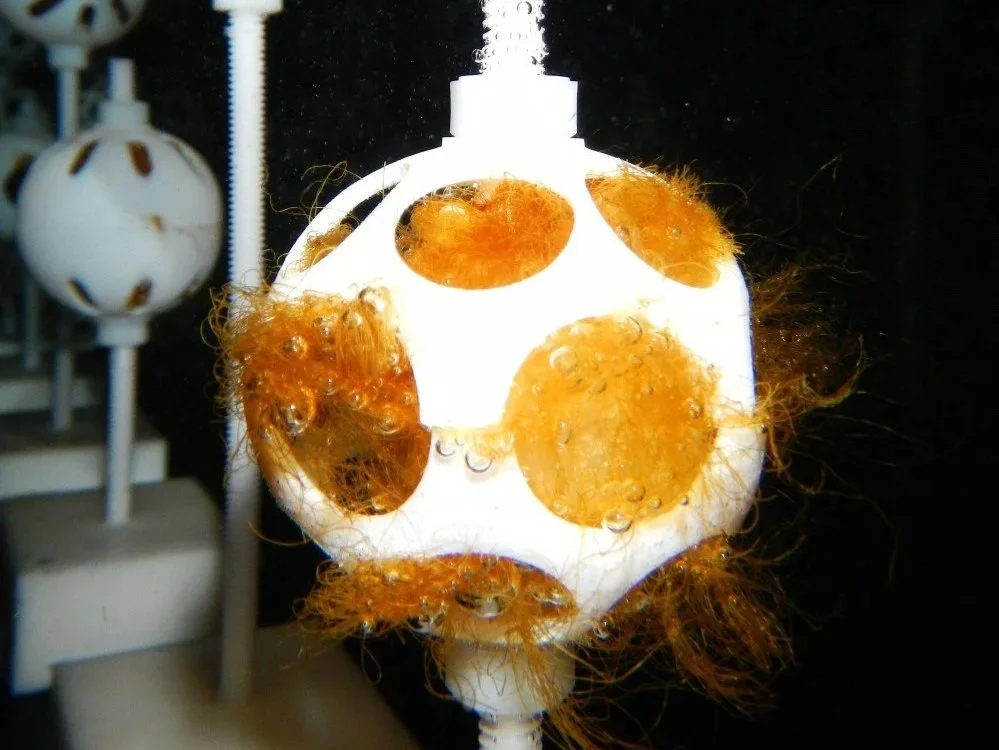
SuperCritical Partners with the SEA Lab
September 22nd, 2026SuperCritical has partnered with the SEA Lab to test and evaluate offshore uranium recovery systems. The SEA Lab will conduct a series of experiments at the University of Michigan’s Aaron Friedman Marine Hydrodynamics Laboratory to assess the performance of SuperCritical’s uranium adsorbent during deployment, exposure to ocean conditions, and retrieval. The continued development of this technology could help advance domestic uranium recovery and strengthen the security and resilience of the U.S. nuclear fuel supply chain.
News